In river regulation, port expansion, and land reclamation projects, dredging systems transport large volumes of sediment every day. If dredging is compared to the human circulatory system, then dredging pipelines are its “arteries.” In recent years, HDPE dredging pipes have rapidly replaced traditional steel pipes and become the industry mainstream. What makes them so popular? This article explains their principles, structure, advantages, and typical applications.
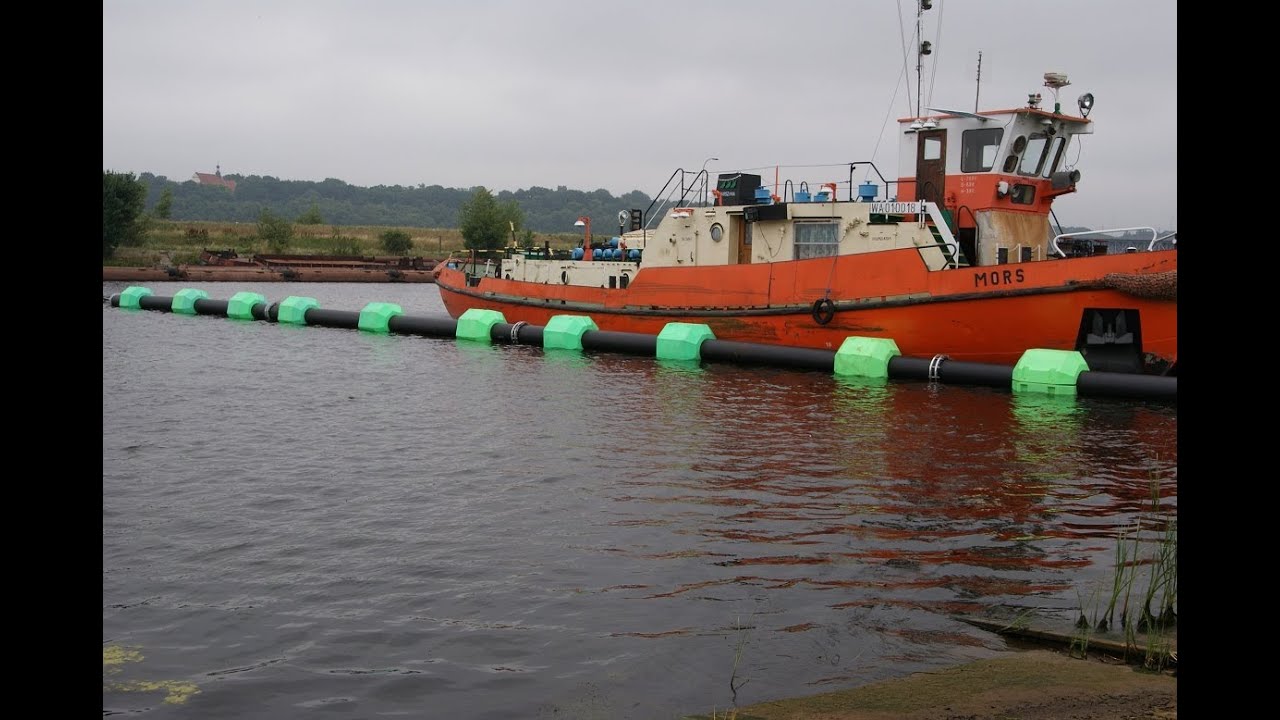
HDPE (High-Density Polyethylene) dredging pipe is a pressure pipeline made from high-density polyethylene material, designed for transporting mixtures of water, sediment, and gravel.
Key features:
Lightweight
Highly wear-resistant
Corrosion-resistant
Flexible and durable
Suitable for floating or underwater installation
It is often paired with floats so the pipeline can stay on the water surface for easy installation and maintenance.
A typical dredging pipeline system includes:
Smooth inner wall reduces slurry flow resistance
Excellent impact resistance
Thick-wall design enhances wear resistance
Steel flanges fused to pipe ends ensure strong connections
Convenient for quick assembly and disassembly
Polyethylene outer shell with polyurethane-filled core
Keeps the pipeline buoyant
Provides protection against waves and impacts
HDPE’s dense and tough molecular structure gives it 3–5 times the wear resistance of steel pipes.
✔ Longer service life
✔ Lower maintenance cost
HDPE weighs only about 1/8 of steel, requiring no heavy hoisting equipment — ideal for water-based construction.
HDPE is chemically stable against seawater, mud, acids, and alkalis.
✔ No surface coating required
✔ No electrochemical corrosion
HDPE has high elongation at break and naturally accommodates waves, tides, and uneven terrain.
Although the unit price may be slightly higher than ordinary steel pipes, the overall cost is significantly lower considering transportation, installation, service life, and maintenance.
HDPE dredging pipes are widely used in:
Improves water quality and drainage capacity.
Transports dredged materials to disposal sites.
Used in artificial islands and port expansion projects.
Restores storage capacity.
Transfers sand, gravel, and slurry mixtures.
| Item | HDPE Dredging Pipe | Steel Pipe |
|---|---|---|
| Weight | Light | Heavy |
| Wear Resistance | High | Medium |
| Corrosion Resistance | Excellent | Poor |
| Service Life | Long | Medium |
| Flexibility | Strong | Weak |
| Overall Cost | Lower | Higher |
🔍 Conclusion: HDPE is more suitable for long-term water engineering use.
Key selection factors:
Determined by dredge pump flow rate.
Greater flow and harder sediment require thicker walls.
Must withstand working pressure and external impacts.
Depends on water conditions and pipeline length.
If needed, I can generate a professional selection guide or procurement specification template for you.
Thanks to its wear resistance, corrosion resistance, lightweight nature, flexibility, and cost-effectiveness, HDPE dredging pipe has become essential in modern dredging projects. From urban river treatment to major port construction, HDPE plays a critical role.
If you’d like a technical version, a marketing version, or product datasheet formatting, feel free to ask!
We are not only a product manufacturer, also a solution provider, whether you have a Question or Request For Quotations, we're here to help.

 English
 Español