
 English
 Español
Global Shipping Guide: How HDPE and PVC Pipe Export Works Step by Step
Exporting HDPE and PVC pipes across borders may look complex, but with the right process, it becomes a predictable and cost-efficient operation. This global shipping guide explains how HDPE and PVC pipe export works, covering manufacturing preparation, packaging, container loading, international logistics, customs clearance, and final delivery.1. Preparing HDPE and PVC Pipes for Export
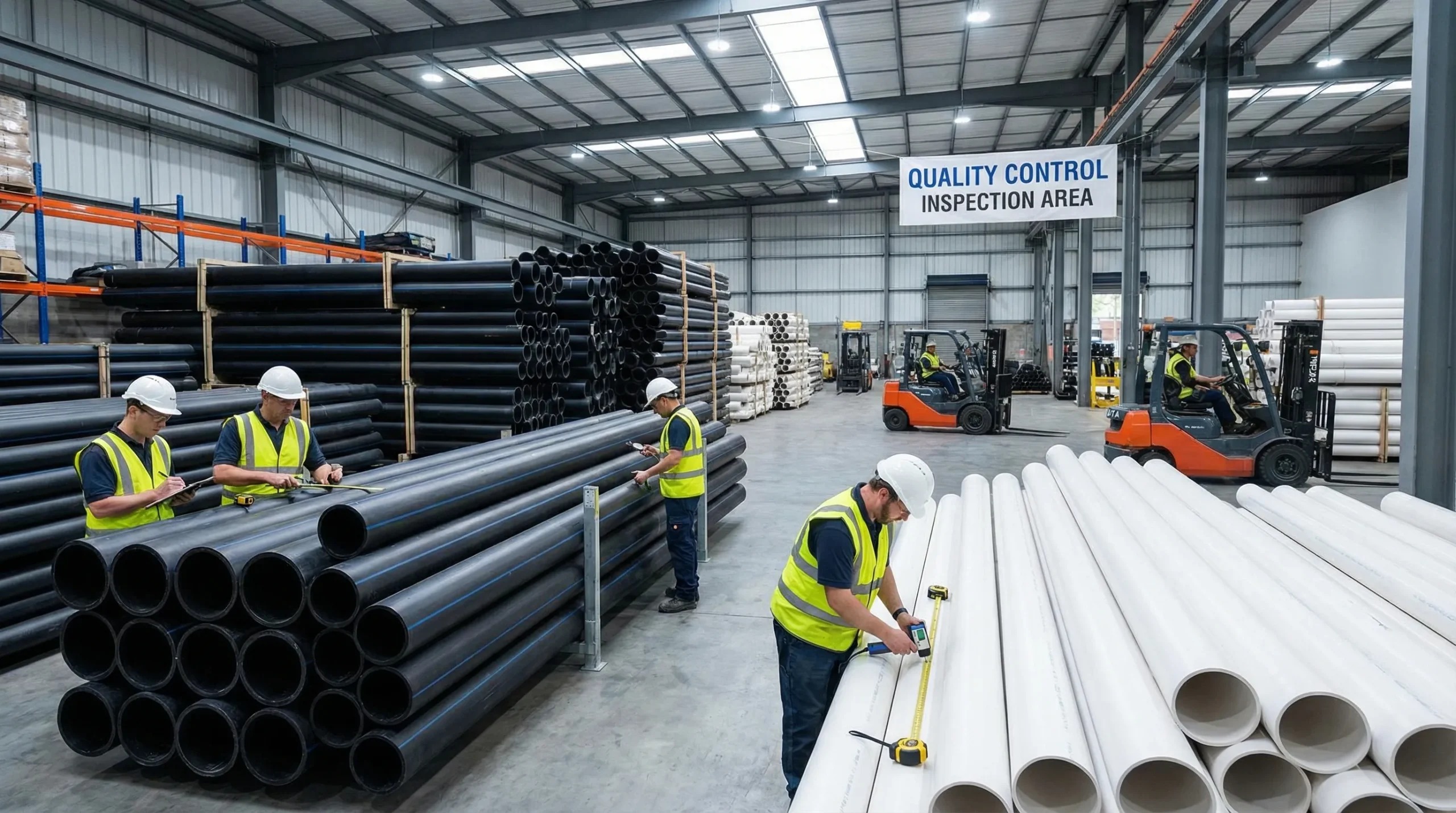 The export process starts at the factory. HDPE and PVC pipes are manufactured according to international standards such as ISO, ASTM, or EN, depending on the destination market. Before shipping, pipes are inspected for dimensions, pressure ratings, and surface quality. Importers often request third-party inspections to ensure compliance.
Manufacturers also prepare essential export documents, including commercial invoices, packing lists, certificates of origin, and test reports. For buyers sourcing directly from manufacturers, working with experienced exporters reduces risks significantly. You can explore common pipe specifications and export-ready products on our HDPE and PVC product listings page.
The export process starts at the factory. HDPE and PVC pipes are manufactured according to international standards such as ISO, ASTM, or EN, depending on the destination market. Before shipping, pipes are inspected for dimensions, pressure ratings, and surface quality. Importers often request third-party inspections to ensure compliance.
Manufacturers also prepare essential export documents, including commercial invoices, packing lists, certificates of origin, and test reports. For buyers sourcing directly from manufacturers, working with experienced exporters reduces risks significantly. You can explore common pipe specifications and export-ready products on our HDPE and PVC product listings page.
2. Packaging and Container Loading Methods
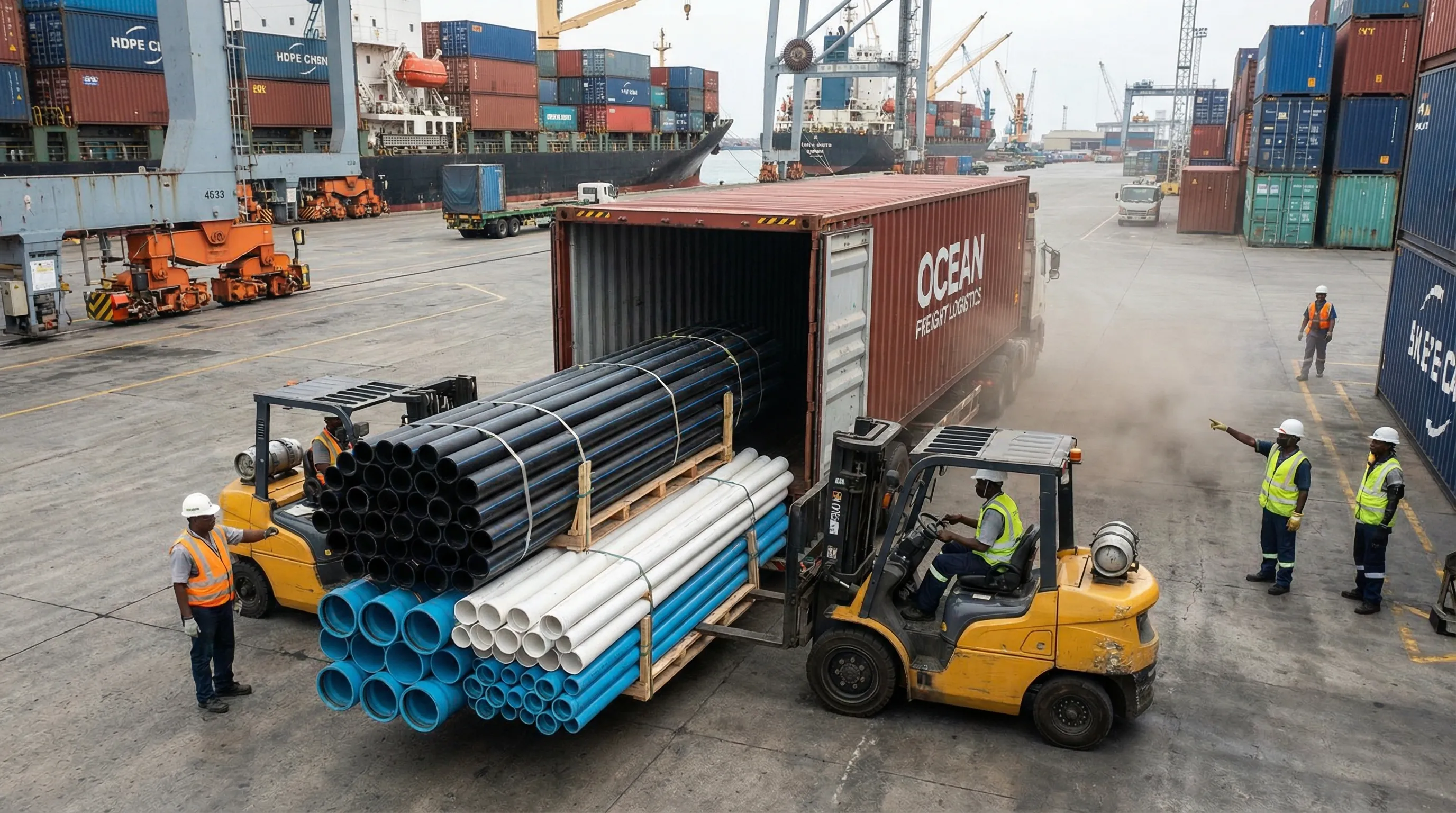 Proper packaging is critical to prevent damage during long-distance shipping. HDPE pipes are usually bundled with steel or plastic straps, while PVC pipes are often packed in woven bags or secured on wooden pallets. Pipe lengths and diameters determine whether they are loaded loosely or palletized.
For international transport, most HDPE and PVC pipes are shipped in 20ft or 40ft containers. Long pipes may require open-top containers or flat racks. Efficient container loading helps reduce freight costs and ensures stability during sea transit.
Proper packaging is critical to prevent damage during long-distance shipping. HDPE pipes are usually bundled with steel or plastic straps, while PVC pipes are often packed in woven bags or secured on wooden pallets. Pipe lengths and diameters determine whether they are loaded loosely or palletized.
For international transport, most HDPE and PVC pipes are shipped in 20ft or 40ft containers. Long pipes may require open-top containers or flat racks. Efficient container loading helps reduce freight costs and ensures stability during sea transit.
3. International Shipping and Logistics Options
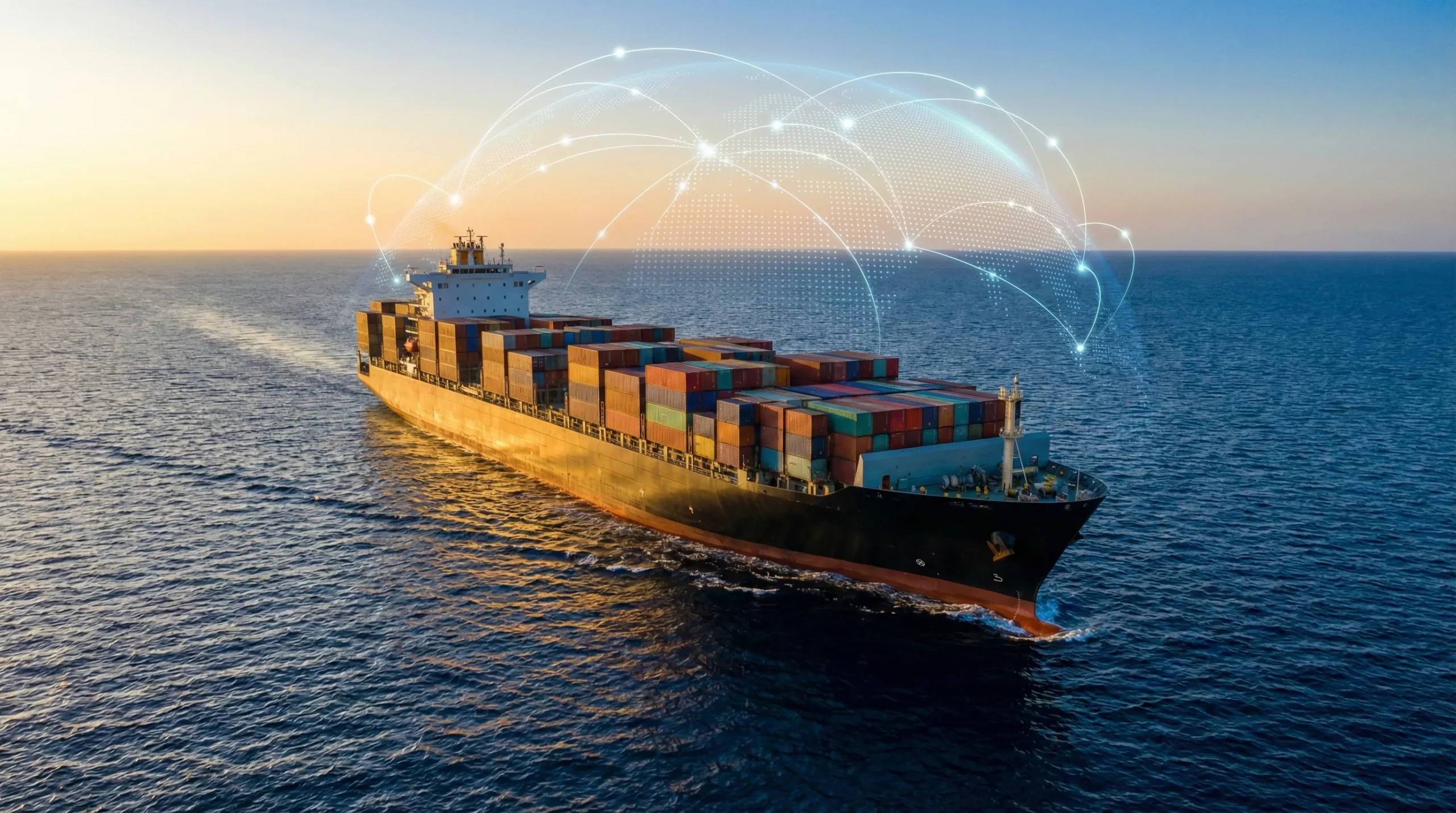 Sea freight is the most common method for exporting HDPE and PVC pipes due to their size and weight. Exporters work with freight forwarders to select optimal shipping routes, transit times, and container types. Incoterms such as FOB, CIF, and DDP define responsibilities between sellers and buyers.
Understanding freight cost structures helps importers plan budgets effectively. Factors such as container availability, port congestion, and fuel surcharges can impact final shipping costs. For cost-related insights, our HDPE Pipe Price Guide Article provides useful reference points.
Sea freight is the most common method for exporting HDPE and PVC pipes due to their size and weight. Exporters work with freight forwarders to select optimal shipping routes, transit times, and container types. Incoterms such as FOB, CIF, and DDP define responsibilities between sellers and buyers.
Understanding freight cost structures helps importers plan budgets effectively. Factors such as container availability, port congestion, and fuel surcharges can impact final shipping costs. For cost-related insights, our HDPE Pipe Price Guide Article provides useful reference points.
4. Customs Clearance and Import Regulations
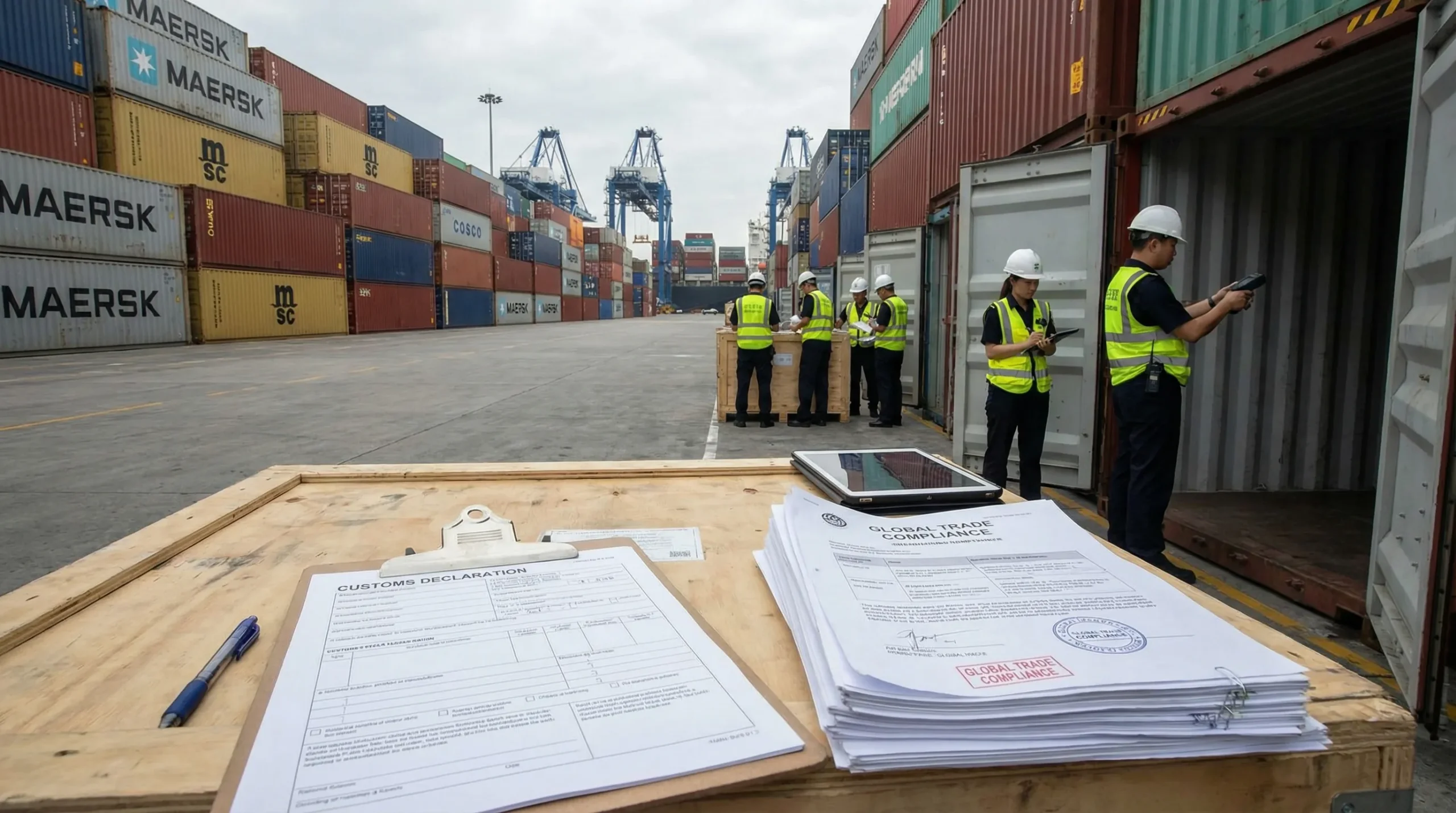 Once the shipment arrives at the destination port, customs clearance begins. Importers must submit documents such as the bill of lading, commercial invoice, and packing list. Some countries require additional certifications, including conformity assessments or sanitary approvals.
Customs duties, VAT, and port handling charges vary by country. Working with a local customs broker can speed up clearance and prevent costly delays. Clear communication between exporter, importer, and logistics partners is essential at this stage.
Once the shipment arrives at the destination port, customs clearance begins. Importers must submit documents such as the bill of lading, commercial invoice, and packing list. Some countries require additional certifications, including conformity assessments or sanitary approvals.
Customs duties, VAT, and port handling charges vary by country. Working with a local customs broker can speed up clearance and prevent costly delays. Clear communication between exporter, importer, and logistics partners is essential at this stage.